0x536702635367…53670266
PowerCompute lifts Q3 Bitcoin output 36%, slashes secured debt
PowerCompute reported 36% more Bitcoin mined in Q3 2026, a 50.7% margin and a 94% cut in secured debt to $1.25 million after repaying a Bitcoin-backed facility.
Outputs
Q3 2026 Bitcoin mining output increased 36%.
Mining margin reached 50.7%, up from 29% in Q2 2026.
Revenue was approximately $1.9 million, versus $2.2 million a year earlier.
On September 24, secured debt fell 94% to $1.25 million and no Bitcoin remained pledged.
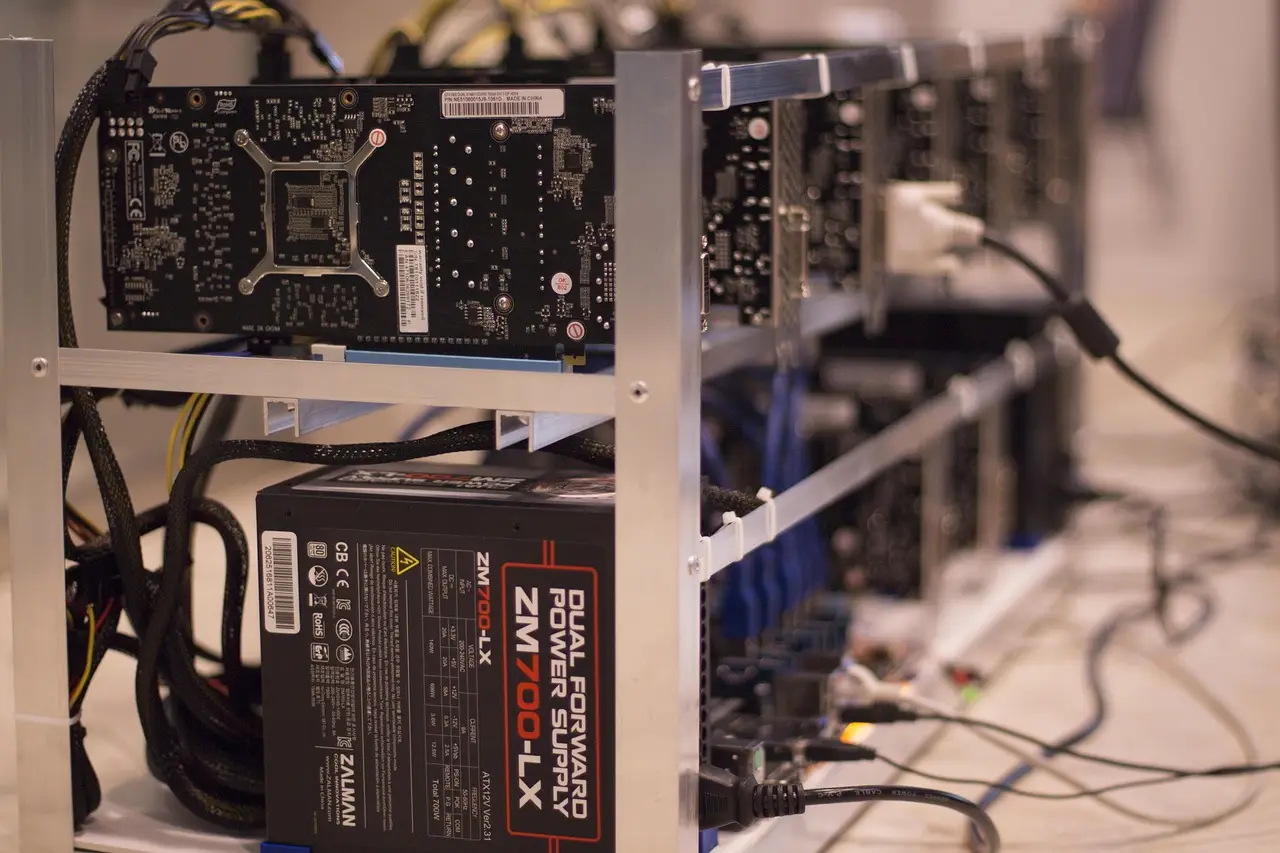
A roughly $1 million purchase of 600 Antminer S21++ rigs is expected to lift hashrate 10% to 880 PH/s by mid-December.
PowerCompute reported a 36% increase in Bitcoin mining output in the third quarter of 2026, a 50.7% mining margin and a 94% cut in secured debt to $1.25 million.
By Daniel Okafor
Revenue fell to approximately $1.9 million from roughly $2.2 million in the year-earlier quarter despite the production increase. The average value per Bitcoin mined dropped about 37.5% to roughly $71,400, more than offsetting the larger volume of mined coins.
The figures make the operating shift clear: PowerCompute mined more Bitcoin, generated less revenue and recorded a substantially higher margin. Lower value per coin, rather than a production contraction, accounted for the top-line decline.
How did profitability improve despite lower revenue?
PowerCompute’s mining margin widened to 50.7% in Q3 2026 from 29% in Q2 2026. The company also returned to positive net income for the quarter.
The combination of higher output and lower revenue per coin shows that mining economics improved at the margin even as sales contracted. Q3 revenue was down by roughly $300,000 year over year. Without a cost breakdown, the disclosure does not show which cost line produced the margin gain.
What does the debt repayment change?
On September 24, PowerCompute repaid a Bitcoin-backed credit facility. The repayment cut secured debt by 94% to $1.25 million and left none of the company’s Bitcoin pledged as collateral.
That combination reduces lender claims over the company’s Bitcoin and removes the collateral linkage that supported the facility. PowerCompute still carried $1.25 million of secured debt after repayment, so leverage became much smaller rather than zero.
The repayment also leaves the company with what the disclosure described as a near-zero secured debt load. That balance-sheet reset comes alongside a profitable quarter, reducing one source of financing pressure without resolving the risks flagged to investors.
What is the hashrate plan?
PowerCompute spent roughly $1 million in cash on 600 Bitmain Antminer S21++ machines. It expects the purchase to lift active hashrate by around 10% to approximately 880 PH/s by mid-December.
The cash outlay equals more than half of Q3 revenue, making equipment deployment a central use of capital. PowerCompute expects the additional capacity to raise output without requiring a comparable increase in its owned power capacity.
Management said it wanted to “modernize the existing fleet” rather than add new sites or “lean on its Bitcoin holdings for leverage.” PowerCompute runs its operations in Oklahoma and Mississippi and owns approximately 26 MW of power capacity across those locations. The strategy concentrates new capital on existing sites instead of geographic expansion.
That makes mid-December installation and activation, rather than a new buildout, the immediate operating test. The hashrate target will show whether the new Antminer S21++ units can raise production at the company’s current power footprint as scheduled.
Did production momentum continue into Q4?
October production reached 9.0 BTC, 20% higher than in the same month a year earlier. The increase extended PowerCompute’s production momentum into the fourth quarter.
That gave the fourth quarter a positive start, but the disclosure did not extend the October figure into a full-quarter forecast. It also did not provide an absolute Q3 production total, leaving the 36% quarterly increase as the clearest measure of output growth.
Could high-performance computing diversify the business?
PowerCompute has signaled interest in exploring high-performance computing as a future direction. Such work could add revenue streams outside Bitcoin mining and put the company’s existing power and technical infrastructure to a different use.
No HPC contract, capital commitment, customer or timetable accompanied the disclosure, so the strategy remains an option rather than an operating segment. Any expansion would also require management to allocate capital and technical capacity without weakening its mining fleet or balance sheet.
What risks remain?
PowerCompute has cautioned investors about potential risks, including a going-concern warning. The warning sits alongside a profitable quarter and what the disclosure described as a near-zero secured debt load.
Those outcomes are not mutually exclusive: lower debt can reduce financing risk while unresolved operating or cash-flow concerns still trigger a going-concern disclosure. PowerCompute’s roughly $1 million rig purchase shows cash going into production capacity even as investors assess those broader risks.
The next dated checkpoint is mid-December, when PowerCompute expects the 600-rig deployment to lift active hashrate by about 10% to approximately 880 PH/s. Whether that added capacity, alongside October’s 9.0 BTC production, supports durable positive net income will depend on the value realized per mined Bitcoin and on the unresolved risks behind the going-concern warning.
via cryptonews.net (Source)
More from Daniel Okafor
Show full bio
Correspondent covering people, launches and day-to-day practice in crypto and web3 industry at Mempool Brief.
1,514 articles