0x58c8a16c58c8…58c8a16f
Solo Bitcoin Miners Found 36 Blocks in Nine Months, Data Shows
Independent Bitcoin miners solved 36 blocks from Feb. 11 to Nov. 7, earning about 113.149 BTC in combined rewards including transaction fees, with some wins on home machines.
Outputs
Independent Bitcoin miners found 36 blocks between Feb. 11 and Nov. 7.
Combined rewards totaled about 113.149 BTC, including transaction fees.
Individual block rewards ranged from roughly 3.13 BTC to 3.2 BTC.
Recent finds came through CKPool Solo, some using small home mining machines.
Bitcoin adjusts mining difficulty every 2,016 blocks to keep block times near 10 minutes.
Independent Bitcoin (BTC) miners found 36 blocks between Feb. 11 and Nov. 7, collecting roughly 113.149 BTC in combined rewards including transaction fees, according to the tally of solo mining finds over that period.
The numbers matter because solo mining sits at the extreme edge of Bitcoin's industrial production chain. These operators don't pool hashpower with thousands of others and take a proportional share of every block. They run their own hardware against the full difficulty of the network and win the entire reward only when their machine happens to solve a block.
What did the winning blocks pay?
Each successful solo block carried between approximately 3.13 BTC and 3.2 BTC in rewards, transaction fees included. That range reflects the current subsidy structure after Bitcoin's most recent halving, which cut the base block reward from 6.25 BTC to 3.125 BTC per block.
The spread across the 36 blocks — from about 3.13 BTC at the low end to 3.2 BTC at the top — comes down to fee variance. The subsidy is fixed; the transaction fees attached to each block depend on how congested the mempool was at the moment the block was mined.
A solo miner who solves a block keeps the whole 3.13-to-3.2 BTC payout. A pool miner contributing the same amount of hashpower would earn a fraction of a block reward spread out over time. That all-or-nothing structure is what makes solo mining a lottery, and what makes 36 independent wins in nine months a notable tally.
How were the blocks found?
Recent successful finds came through CKPool Solo, a service that lets solo miners participate without owning the infrastructure of a full mining pool. The setup routes a miner's work to the network solo — one miner per block, winner takes all — while handling the connection plumbing.
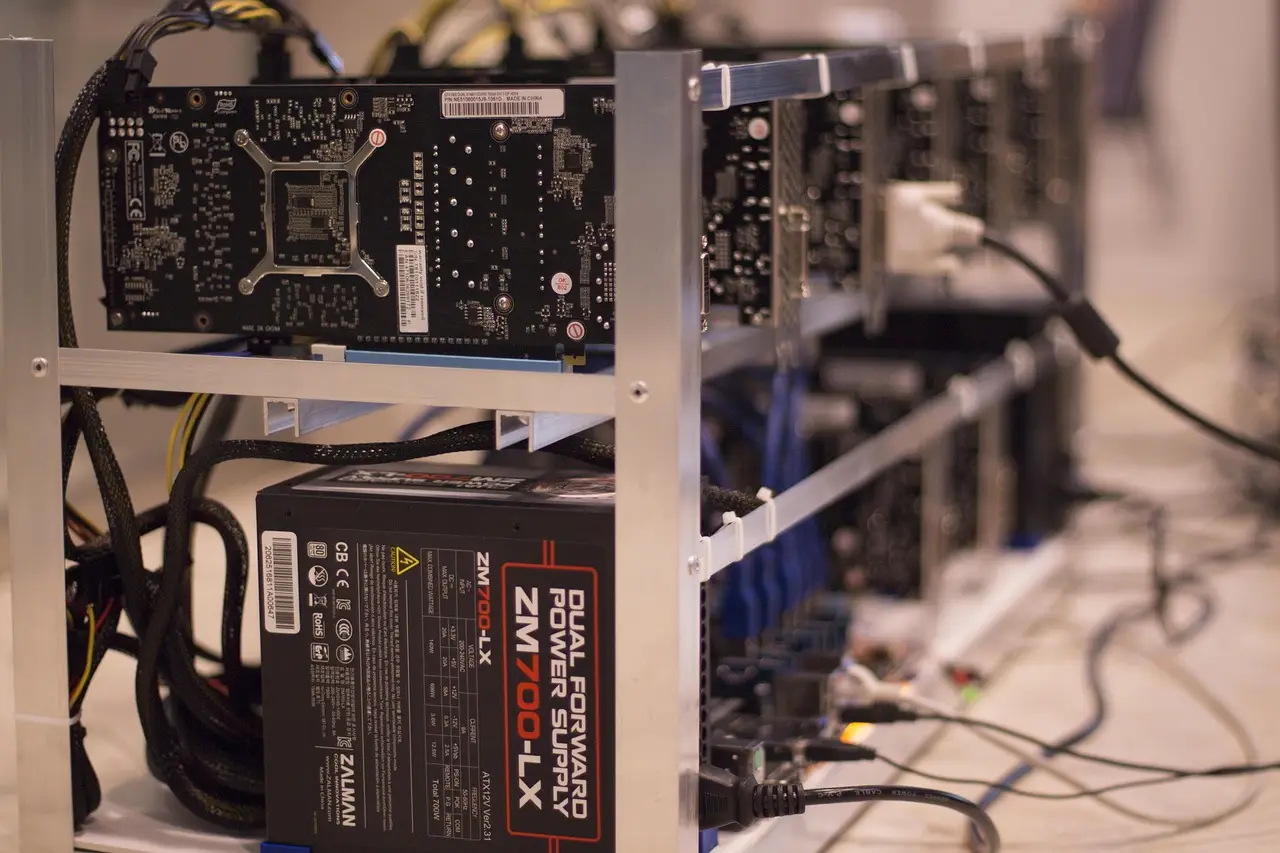
Some of the winning blocks involved small home mining machines, not industrial rigs. That detail is the striking part. Home-scale hardware solving blocks on a network dominated by large farms is statistically rare, and each such find typically draws attention in solo-mining communities precisely because the odds are so long.
Why difficulty keeps solo odds long
Bitcoin adjusts its mining difficulty every 2,016 blocks, a mechanism designed to keep average block production near 10 minutes regardless of how much total hashpower is online. When more computing power joins the network, difficulty rises.
Higher difficulty means miners must perform more computational work to find a block. For a solo operator with limited hardware, each difficulty increase lengthens the expected time between wins and lowers the probability of any given hash attempt succeeding.
That mechanism works against small miners continuously. The 36-block tally from Feb. 11 through Nov. 7 shows solo finds still happen across difficulty adjustments — sometimes on home machines — but each adjustment window resets the arithmetic against them.
For now, the pattern continues: independent miners keep plugging into CKPool Solo and similar setups, and every solved block pays out the full 3.13-to-3.2 BTC reward on the spot.
via tokenpost.com (Source)
More from Daniel Okafor
Show full bio
Correspondent covering people, launches and day-to-day practice in crypto and web3 industry at Mempool Brief.
757 articles