0x6e4b7bc26e4b…6e4b7bc5
NEXTPredict Paid Kalshi $12,000 to Hedge Its Conference
NEXT.io paid a $12,000 premium on Kalshi for $3 million of coverage on JFK flight cancellations, with Susquehanna as market maker — the first conference hedged on a prediction market.
Outputs
NEXT.io paid a $12,000 premium for contracts paying roughly $3 million if over 50% of JFK arrivals are canceled on October 21.
Kalshi executed the trade with Susquehanna as market maker; retail traders cannot access the bespoke market.
Kalshi self-certified the flight cancellation contracts with the CFTC on July 14; drone incidents and bomb threats do not trigger payout.
The NEXTPredict summit runs October 22–23 at Convene in Hudson Yards, New York.
Lindh says NEXT.io has run around 800 events over 13 years and lost 100% of revenue in 2020 when a conference was canceled.
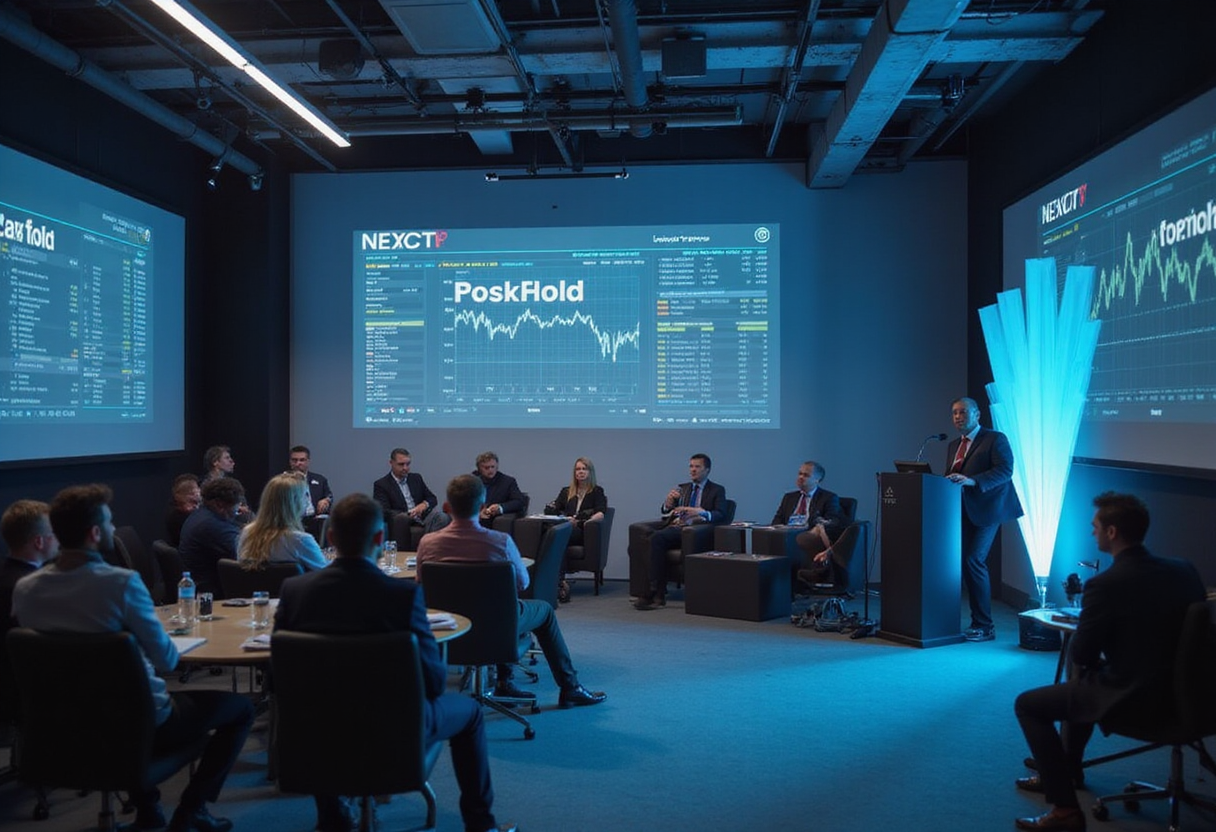
NEXT.io, the organizer behind the NEXTPredict conference, has paid a $12,000 premium on Kalshi for contracts that return roughly $3 million if more than half of flights scheduled to land at New York's John F. Kennedy International Airport are canceled on October 21. Susquehanna took the other side as market maker, in what the parties describe as the first conference ever hedged on a prediction market.
The $3 million payout figure equals the organizer's total investment in the event, the two-day NEXTPredict summit scheduled for October 22–23 at Convene in Hudson Yards. October 21 is the main inbound travel day. The trade was structured as a bespoke market built to order after NEXT.io approached Kalshi as an institutional customer, and retail traders cannot access the contracts.
Why use airport cancellations as the trigger?
Pierre Lindh, co-founder and managing director of NEXT.io, said the JFK threshold serves as a proxy for systemic disruption. "We had a conversation with Kalshi and Susquehanna, and we said, 'Why don't we use airport disruption as the vector?' Because if there is 50% flight cancellation from JFK on the 21st of October, it means that something has happened in the world," he told Decrypt.
The exposure is not theoretical. Lindh opened his announcement thread with an image of himself presenting a conference in 2020 that never took place. "A few months later the entire world locked down and we lost 100% of our revenue for the entire year," he wrote. Across 13 years and roughly 800 events, the company has faced a blizzard in New York weeks before a March show, Middle East conflict that left delegates unable to travel, and, by May, concern over European airports running short of fuel before its flagship Malta event.
What does the hedge fix that event insurance does not?
Lindh's objection to conventional cover is structural. "Event insurance is focused around what happens inside the venue," he said, describing policies built around fires, rigging failures and injuries. Standard force majeure cover typically pays only when an event is canceled outright. If a hurricane closes the airport, "it doesn't mean that we have to cancel our conference. It probably means that we will need to organize it but short-handed."
The gap cuts both ways. Costs are sunk and revenue is already lost, yet the policy may never trigger because the conference went ahead. "The material financial damage has already happened, but standard event insurance might not trigger because the conference itself went ahead," Lindh told G3 Newswire.
Claims mechanics compound the problem. Insurance is slow to arrange, and "when the moment comes, the insurer's incentive is to find the reason not to pay," he said. On a prediction market, settlement works differently: "Kalshi is in the middle determining whether the conditions of the contract have been met," removing the adversarial negotiation over whether circumstances qualify.
How is the market regulated?
Kalshi self-certified the flight cancellation contracts with the Commodity Futures Trading Commission on July 14. Certain causes of disruption, including drone incidents and bomb threats, do not trigger payment — carve-outs that narrow the payout conditions. The contracts drew criticism when they appeared, on the grounds that someone could profit from disrupting flights. Lindh called the concern fair and framed the hedge as the other face of the same instrument: "A business with real exposure, buying protection, on a regulated venue, with an institutional market maker taking the other side."
Do the counterparties see a bigger market?
Both sides position the trade as a template for institutional risk transfer. Kalshi chief executive Tarek Mansour called it "prediction markets moving beyond forecasting and becoming practical business infrastructure." Joe Grubb, who heads prediction markets business development at Susquehanna, said the structure allows the transfer of institutional risk "that historically had no path for execution."
Lindh expects imitators across the events industry. "Our whole industry has been carrying this risk on the chin for decades because there was no instrument for it," he wrote. "Now there is one." The contract settles after October 21, when the JFK cancellation data will provide the first live test of a bespoke prediction-market hedge as a substitute for force majeure cover.
via nextpredict.io (Original)
More from Nathan Brooks
Show full bio
Market editor covering money, funding and market shifts around crypto and web3 industry at Mempool Brief.
476 articles